How to Use Wildflower Honey in Cooking: 12 Easy Ideas
Share
Wildflower honey is more than something to drizzle over toast. Its naturally sweet, often rich and floral flavor makes it useful in everything from breakfast and baked goods to salad dressings, marinades, glazes, and savory dishes.
If you have a jar in your pantry and are wondering how to use wildflower honey, the good news is that you do not need complicated recipes. Honey can replace or complement other sweeteners while also contributing flavor, moisture, color, and texture.
The exact taste of wildflower honey can vary because bees collect nectar from multiple flowering plants growing within their foraging area. That can give each harvest its own character, ranging from floral and mellow to deeper and more robust.
For cooking, this versatility is a major advantage.
Below are 12 approachable ideas for cooking with wildflower honey, including baking, glazes, marinades, breakfast foods, drinks, and savory pairings.
What Makes Wildflower Honey Useful for Cooking?
Wildflower honey works well in the kitchen because it provides more than sweetness.
Its flavor can add complexity to recipes, while its thick consistency works well in sauces, dressings, and glazes. Honey can also contribute moisture and browning to baked goods.
Compared with plain granulated sugar, honey has its own flavor and contains water, which means substituting it in baking sometimes requires adjustments to the rest of a recipe.
For a rich option to keep in your kitchen, Dark Wildflower Honey 16oz can be used across sweet and savory preparations.
Here are 12 simple ways to get started.
1. How Can You Use Wildflower Honey in Oatmeal?
One of the easiest wildflower honey food pairings is oatmeal.
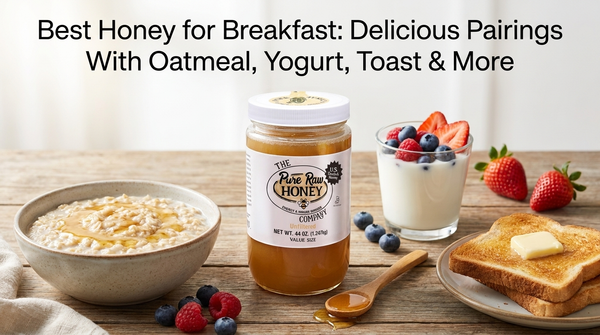
Prepare your oatmeal as usual, then drizzle a small amount of honey over the top. Add sliced banana, berries, apples, nuts, seeds, or cinnamon depending on your preference.
For an easy combination, try:
Wildflower Honey Apple Oatmeal
Cook rolled oats with milk or water. Add chopped apple and cinnamon, then finish with a drizzle of wildflower honey and chopped walnuts.
Adding the honey toward the end lets its flavor remain noticeable rather than disappearing into the other ingredients.
This same approach works with overnight oats and other whole-grain breakfast bowls.
2. How Can You Make a Wildflower Honey Yogurt Bowl?
Plain yogurt provides an excellent base for the deeper sweetness of wildflower honey.
Add yogurt to a bowl and top it with fresh berries, granola, nuts, or sliced fruit. Finish with a small drizzle of honey.
You can also explore Bee Pollen 8oz as another bee-derived food for suitable breakfast bowls and smoothies, following the product directions.
This simple combination works because plain yogurt provides tanginess, fruit adds freshness, and honey brings everything together with sweetness.
3. How Do You Make a Wildflower Honey Salad Dressing?
A homemade dressing is one of the most practical recipes with wildflower honey.
Try this basic combination:
- 1 tablespoon wildflower honey
- 2 tablespoons olive oil
- 1 tablespoon apple cider vinegar or lemon juice
- 1 teaspoon Dijon mustard
- A pinch of salt
- Black pepper to taste
Whisk everything together until combined.
The honey balances the acidity of vinegar or lemon while helping create a slightly thicker dressing.
Use it with leafy greens, apples, pears, walnuts, pecans, goat cheese, feta, roasted vegetables, or grilled chicken.
Taste before serving and adjust the acidity or sweetness according to the ingredients in your salad.
4. How Do You Make a Wildflower Honey Marinade?
A wildflower honey marinade is an easy way to bring together sweet, salty, acidic, and savory flavors.
For a simple honey marinade, combine:
- 2 tablespoons wildflower honey
- 2 tablespoons soy sauce
- 1 tablespoon olive oil
- 1 tablespoon lemon juice or vinegar
- 1 minced garlic clove
- Black pepper to taste
Whisk the ingredients together and use the mixture to marinate chicken, salmon, tofu, or vegetables.
Always marinate raw meat safely in the refrigerator. Discard marinade that has been in contact with raw meat unless it is thoroughly boiled according to appropriate food-safety practices.
Honey can brown quickly when exposed to high heat, so watch the food carefully during grilling or roasting.
5. How Can You Make a Wildflower Honey Glaze?
A wildflower honey glaze can turn a simple roasted dish into something more flavorful.
For vegetables, combine wildflower honey with olive oil, a small amount of mustard, salt, and pepper.
Toss the mixture with carrots, Brussels sprouts, sweet potatoes, squash, or parsnips before roasting.
For a quick honey-mustard glaze, combine roughly equal portions of honey and Dijon mustard, then adjust according to taste.
A darker honey can work particularly well here because its stronger flavor is less likely to disappear alongside savory ingredients.
If you cook frequently with honey, a larger Dark Wildflower Honey 44oz can be convenient for marinades, sauces, baking, and everyday kitchen use.
6. How Does Baking With Wildflower Honey Work?
Baking with wildflower honey requires slightly more thought than simply swapping sugar for honey cup-for-cup.
Honey contributes both sweetness and liquid.
It can also encourage faster browning because of its sugar composition.
When adapting an existing recipe, you may need to reduce some of the other liquid ingredients. You may also find that a slightly lower oven temperature helps prevent excessive browning.
Because baking formulas differ, it is best to use a recipe specifically developed for honey when possible rather than making a large substitution without adjusting anything else.
Wildflower honey can work particularly well in:
- Muffins
- Quick breads
- Granola
- Oat bars
- Cookies
- Honey cakes
- Breakfast loaves
For a different flavor direction in desserts and breakfast baking, Raw Cacao Honey 16oz offers a honey-and-cacao combination.
7. How Can You Use Wildflower Honey in Homemade Granola?
Homemade granola is another easy way to cook with honey.
Combine rolled oats with nuts, seeds, cinnamon, and a small amount of oil. Stir in enough wildflower honey to lightly coat the mixture.
Spread it across a baking sheet and bake according to your preferred granola recipe, stirring as needed for even browning.
Once cooled, add ingredients such as dried cranberries, raisins, coconut, or dried cherries.
Honey contributes sweetness and helps the ingredients form crunchy clusters.
Because honey-containing granola can brown quickly, keep a close eye on it near the end of baking.
8. What Fruits Pair Well With Wildflower Honey?
Fruit and honey are naturally compatible, but some combinations work particularly well with the deeper flavor of wildflower honey.
Try it with:
- Apples
- Pears
- Peaches
- Berries
- Figs
- Bananas
- Oranges
- Grapefruit
- For a simple dessert, slice peaches or pears, add cinnamon, and roast them until tender. Finish with a light drizzle of honey and chopped nuts.
If you prefer a lighter floral character with fruit, Blueberry Blossom Honey 16oz provides another honey variety to compare in breakfast and fruit recipes.
9. How Can You Pair Wildflower Honey With Cheese?
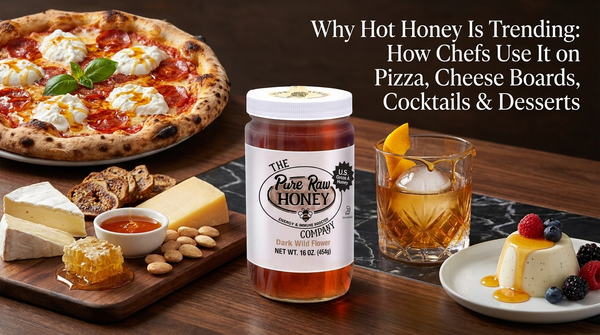
Sweet and salty flavors often complement each other, making cheese one of the most versatile wildflower honey food pairings.
Try a small drizzle over:
- Brie
- Goat cheese
- Feta
- Sharp cheddar
- Blue cheese
- Ricotta
For an easy appetizer, spread ricotta or goat cheese over toasted bread, add a small drizzle of wildflower honey, and finish with chopped walnuts or pecans.
You can also serve honey alongside a cheese board with fresh fruit, dried fruit, crackers, and nuts.
For another texture, Freshly Harvested Raw Honeycomb can make an interesting addition to a cheese or grazing board because pieces of the edible comb can be paired directly with cheese and crackers.
10. How Can You Cook Vegetables With Wildflower Honey?
Honey can help balance vegetables that have naturally bitter, earthy, or savory characteristics.
Carrots, Brussels sprouts, sweet potatoes, squash, and parsnips are especially good candidates.
Try tossing vegetables with olive oil, salt, pepper, and a small amount of honey before roasting.
You can also add mustard, chili flakes, garlic, or herbs to prevent the dish from becoming overly sweet.
Because honey caramelizes and browns, monitor the vegetables carefully toward the end of cooking.
The goal is a balanced glaze rather than a heavy sugary coating.
11. How Can You Use Wildflower Honey in Drinks?
Wildflower honey works in both hot and cold beverages.
It can be stirred into:
- Black tea
- Green tea
- Herbal tea
- Lemon water
- Homemade lemonade
- Smoothies
- Warm milk
For cold drinks, dissolving the honey in a small amount of warm water first can make it easier to distribute evenly.
Different honey varieties can also change the character of a drink. For example, Orange Blossom Honey 16oz can provide a more floral option for citrus drinks and tea.
Remember that honey is still a sweetener, so you usually do not need much to noticeably change a beverage.
12. How Can You Use Wildflower Honey in Savory Sauces?
Some of the best wildflower honey recipes are not desserts at all.
Honey can balance acidic, spicy, salty, or smoky sauces.
Try combining it with ingredients such as:
- Dijon mustard
- Soy sauce
- Garlic
- Ginger
- Lemon juice
- Vinegar
- Chili flakes
- Smoked paprika
For a simple dipping sauce, mix honey with mustard.
For an Asian-inspired sauce, combine honey with soy sauce, garlic, ginger, and a splash of vinegar.
For people who prefer sweetness with built-in heat, Hot Honey 16oz offers another option for pizza, roasted vegetables, chicken, and other savory foods.
The key is balance. Honey should complement the salty, acidic, spicy, or savory ingredients rather than overpower them.
What Should You Know When Using Wildflower Honey for Baking?
When using wildflower honey for baking, remember that honey behaves differently from dry sugar.
It contributes liquid, holds moisture, and can promote browning.
This can be useful in muffins, cakes, quick breads, and granola because it may contribute to a soft texture and attractive surface color.
However, replacing all the sugar in a conventional recipe with honey without adjusting the formula can change the result.
For dependable baking, start with recipes developed specifically for honey. If adapting a recipe, make smaller substitutions first and observe how the texture, sweetness, moisture, and browning change.
Which Wildflower Honey Food Pairings Are Worth Trying?
Wildflower honey is particularly useful because it can move between sweet and savory foods.
Some easy combinations include:
Honey + oatmeal + cinnamon for breakfast.
Honey + yogurt + berries for a snack.
Honey + goat cheese + walnuts for an appetizer.
Honey + Dijon mustard for a glaze or dressing.
Honey + apples + cinnamon for a simple dessert.
Honey + soy sauce + garlic for a savory marinade.
Honey + lemon + tea for a warm drink.
Honey + roasted carrots + herbs for a side dish.
These pairings provide a useful starting point, but cooking with honey also leaves plenty of room for experimentation.
Where Can You Explore More Raw Honey Options?
The right honey depends partly on what you are cooking.
Wildflower honey can work especially well when you want a deeper honey flavor, while lighter floral varieties may be preferable for delicate foods and drinks.
For a classic all-purpose option, Raw Unfiltered Honey 16oz can be used across breakfast foods, drinks, dressings, and recipes.
If you are stocking your pantry with several varieties, review the current free shipping details for qualifying orders before checkout.
Choosing honey according to the recipe can make cooking more interesting while allowing the individual characteristics of each variety to stand out.
Frequently Asked Questions
1. How do you use wildflower honey in cooking?
Wildflower honey can be used in breakfast foods, salad dressings, marinades, glazes, baked goods, granola, drinks, sauces, roasted vegetables, and simple desserts.
2. Is wildflower honey good for baking?
Yes. Wildflower honey can add sweetness, flavor, moisture, and browning to baked goods. Because it is a liquid sweetener, recipes may require adjustments when replacing dry sugar.
3. What can I bake with wildflower honey?
Try honey muffins, granola, oat bars, quick breads, cookies, cakes, and breakfast loaves. Recipes specifically developed for honey usually provide the most predictable results.
4. How do you make a wildflower honey glaze?
Combine honey with complementary ingredients such as Dijon mustard, olive oil, herbs, garlic, or citrus. The exact combination can be adjusted depending on whether you are glazing vegetables, poultry, or another food.
5. How do you make a wildflower honey marinade?
Combine honey with an acidic ingredient such as lemon juice or vinegar, plus oil and savory seasonings. Soy sauce, garlic, ginger, herbs, and pepper can add additional flavor.
6. What foods pair well with wildflower honey?
Wildflower honey pairs well with oatmeal, yogurt, apples, pears, berries, cheese, nuts, roasted vegetables, tea, toast, and a variety of savory sauces.
7. Can I substitute wildflower honey for sugar when baking?
Sometimes, but not always in equal amounts. Honey adds liquid and can increase browning, so the recipe may need adjustments. A recipe developed specifically for honey is the easiest starting point.
8. Can wildflower honey be used in savory cooking?
Yes. Its sweetness can balance salty, acidic, spicy, and bitter flavors, making it useful in marinades, dressings, glazes, sauces, and roasted vegetables.
9. Can I cook wildflower honey at high temperatures?
Honey can be heated during normal cooking and baking, but its sugars can brown or burn relatively quickly. Watch glazed or honey-coated foods carefully, particularly during grilling and high-temperature roasting.
10. Where can I find more honey varieties for cooking?
You can explore the Pure Raw Brands honey collection to compare wildflower, raw unfiltered, blossom, infused, cacao, and other honey options for different recipes.
Final Thoughts
Learning how to use wildflower honey can open up far more possibilities than simply spreading it on toast.
Start with easy applications. Add a drizzle to oatmeal or yogurt, whisk it into a salad dressing, turn it into a wildflower honey marinade, or use it to create a sweet-savory glaze for roasted vegetables.
Once you become comfortable cooking with wildflower honey, try it in granola, baked goods, fruit dishes, cheese pairings, drinks, and homemade sauces.
The key is balance. Wildflower honey has enough character to contribute real flavor, so it does not need to overwhelm a dish with sweetness.
These 12 ideas can serve as starting points rather than strict rules. Experiment with sweet, salty, acidic, spicy, and savory ingredients to discover which combinations work best in your kitchen.
Medical Disclaimer: This content is for educational purposes only and is not a substitute for professional medical advice.